
How Opsie works
Every business runs a little differently. I want to understand yours before I start changing anything.
I get into how your business actually runs, figure out where things are breaking down, and build what you need from there.
ASSESS
See what’s actually going on.
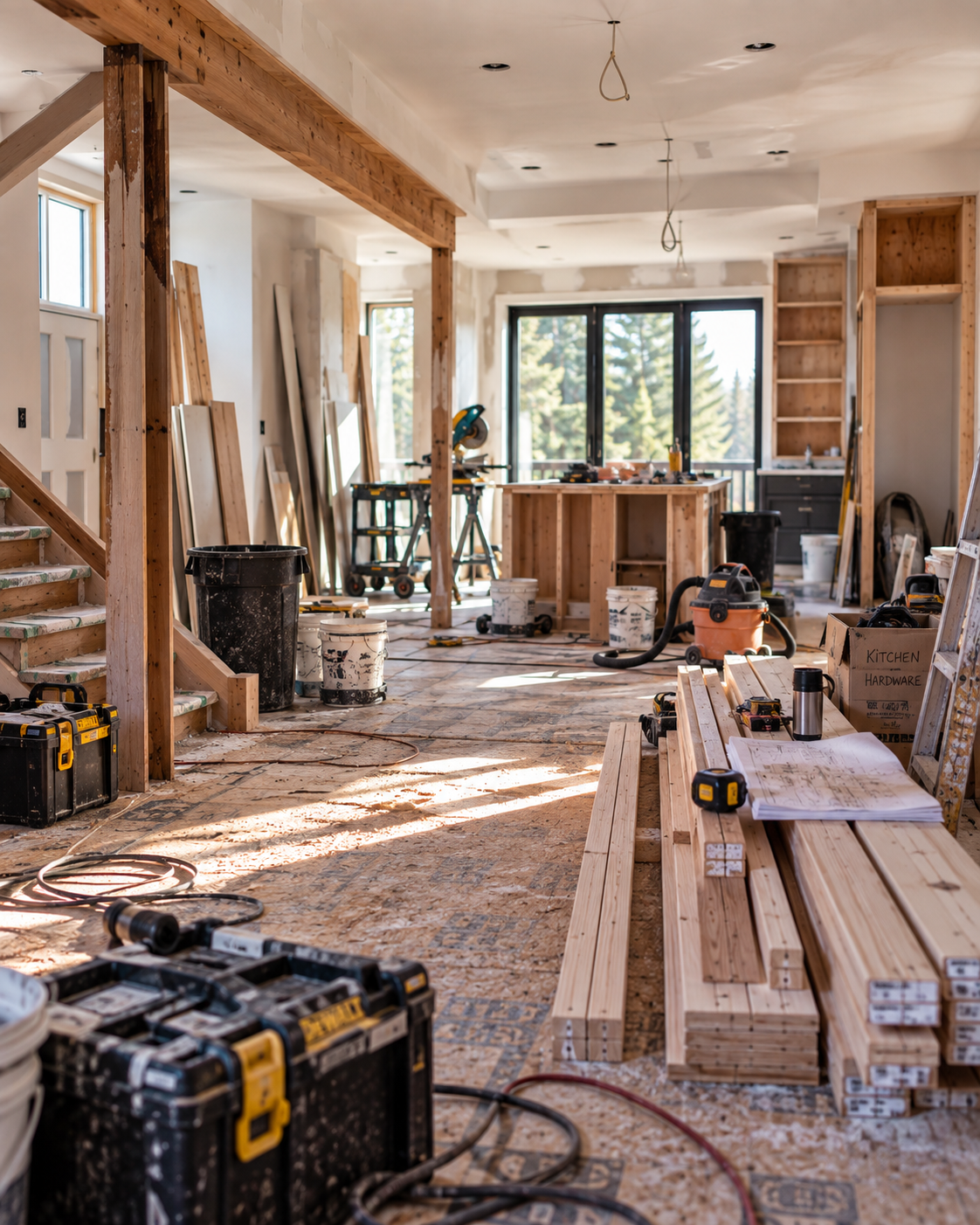
I start by looking at how things actually run today; what’s working, where things get stuck and what needs attention first.
BUILD
Build what’s missing.
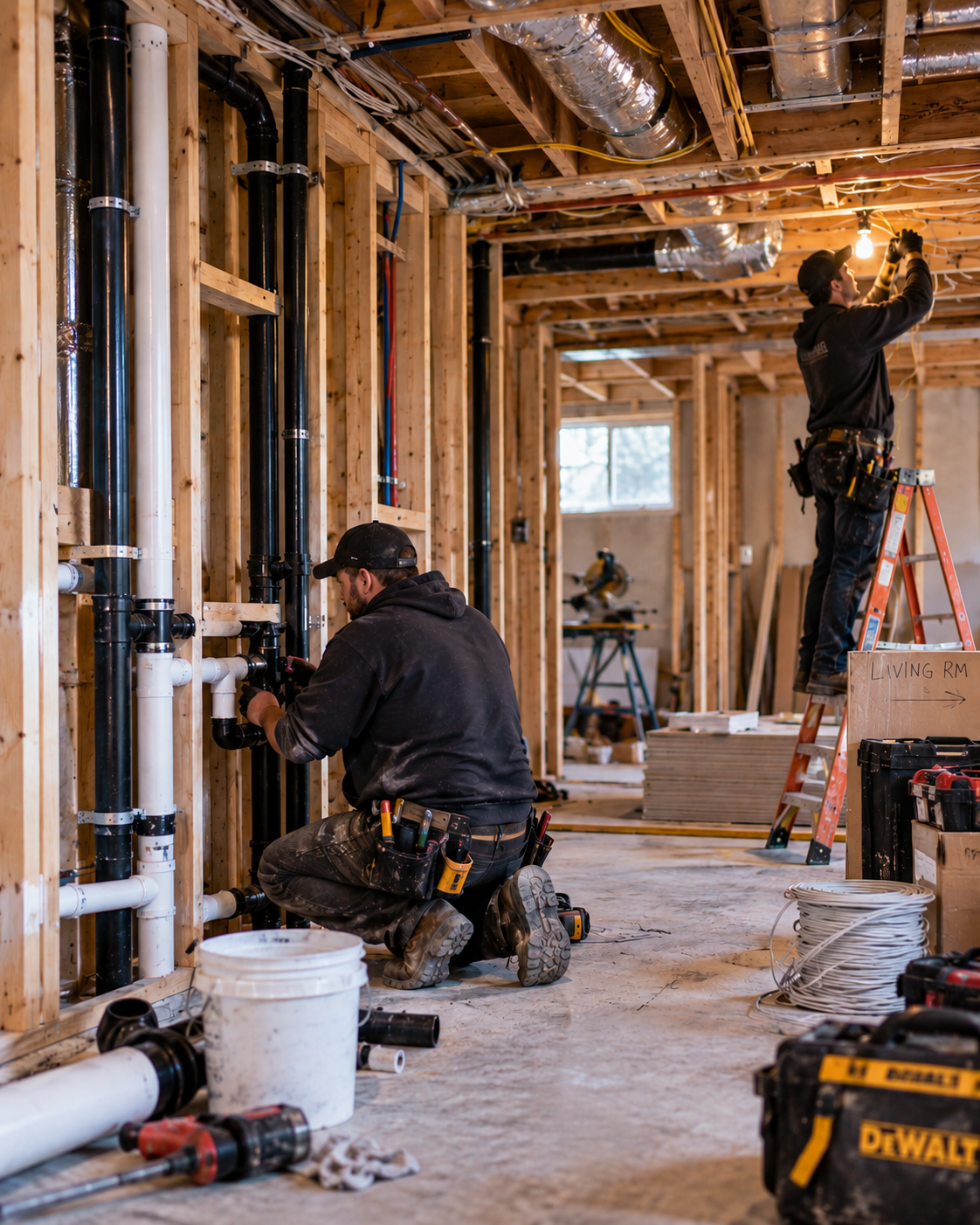
We build the systems, processes and tools your business actually needs.
IMPLEMENT
Put it into practice.
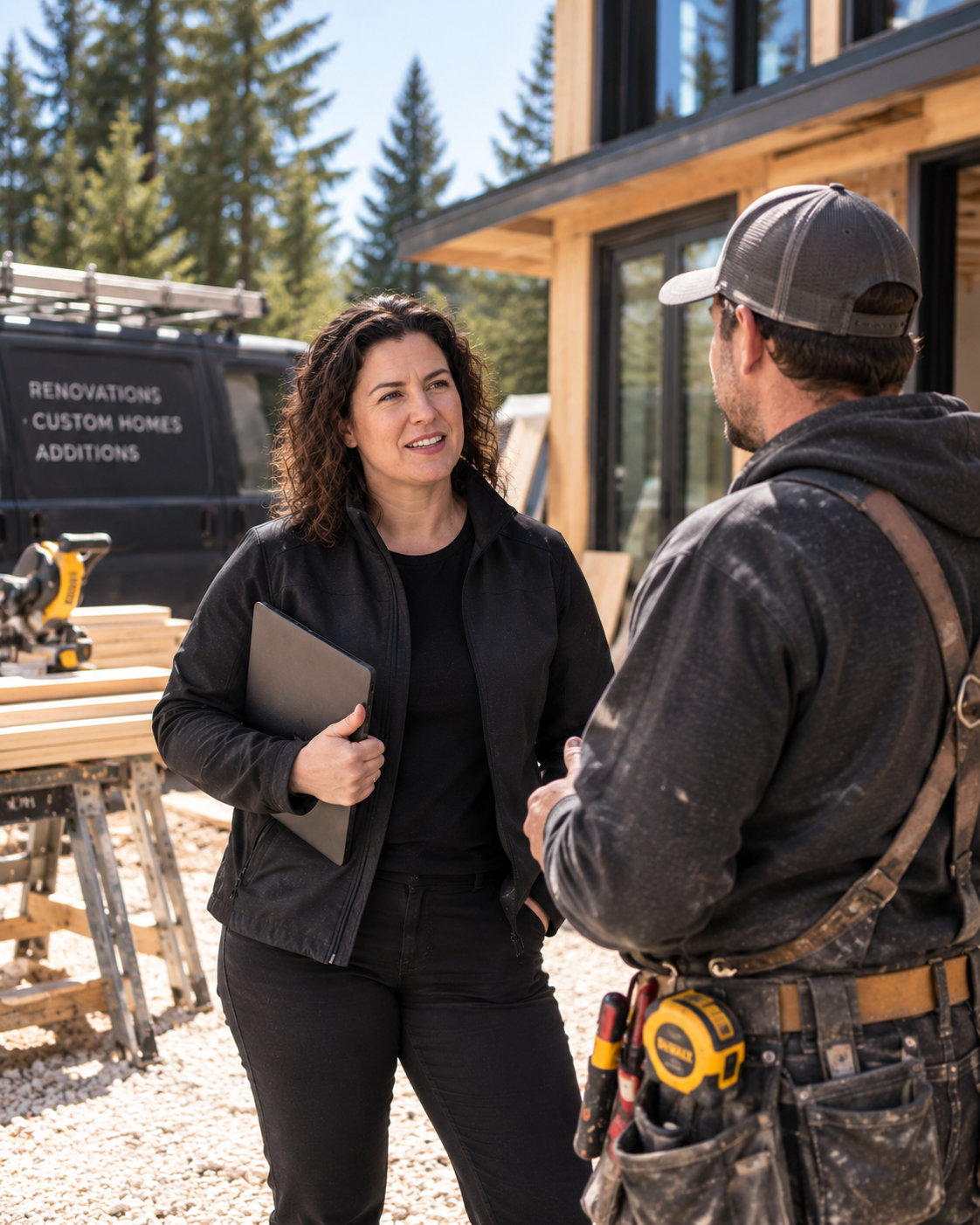
I work with you and your team to roll it out, adjust what isn’t working and make sure the new way actually sticks.
OPERATE
Keep it running.
I stay involved in the day-to-day, helping manage, troubleshoot and improve the operation as the business runs.
SCALE
Build for what’s next.
As the business grows, the way it runs needs to keep up. We make sure it can handle more work, more people and more moving parts without everything landing back on you.
OWN
You own it.
Once it’s working, I make sure you and your team have what you need to run it successfully without me.
Better operations change the whole business.
Good operations aren’t just about having systems. They create results you can see across the business.
When communication is clear and everyone knows what’s happening, the owner gets time back, employees are more productive, good people have a reason to stay and grow, everyone is more committed, and clients have a stronger experience.
All of that connects. When it does, the business becomes easier to run, more consistent and more profitable.
More time where it matters
Less of the day-to-day running through you, so you can focus your time where the business actually needs you.
A more productive team
Clear roles, expectations and processes give people what they need to do their jobs well, without constantly waiting for answers or figuring things out as they go.
Staff retention and career growth
Good people are more likely to stay when they know what’s expected of them and can see where they’re going. Clear roles, accountability and career pathways give employees room to grow with the business.
Stronger trade relationships
For renovation, restoration and contracting businesses, good sub-trades matter. Clear planning, communication and follow-through make your company one they want to keep working with.
A stronger client experience
Clients don’t need everything to go perfectly. They need to know what’s happening. Clear communication and a smoother process build trust, which can lead to more referrals and stronger online reviews.
Higher profitability
Less wasted time, fewer mistakes, stronger retention, increased productivity, more referrals and reliable execution all have an impact on the bottom line.
The result?
A business that runs with less friction, delivers a stronger experience and has more room for profit.
Depending on the business, that might look like:
Getting the right people in the right roles
Getting scheduling and day-to-day operations under control
Making sure everyone knows what they’re responsible for
Improving communication between the office, field, trades, and clients
Building simple processes and tools people will actually use
Catching the gaps where things get missed, delayed, or cost money
Getting information out of the owner’s head and into the business
Building a business that doesn’t need the owner involved in everything
Getting started is pretty simple.
1. Let’s talk
We start with a call so I can understand your business, what’s happening and where you need help.
2. Tell me a little more
I’ll send you a questionnaire so I can get a clearer picture of how the business runs before I recommend anything.
3. I build a proposal
I’ll put together the areas where I think Opsie can have the biggest impact and the services that make sense for your business.
4. We decide what makes sense
We’ll go through it together and decide where to start based on your priorities, what the business needs and the level of support that makes sense.
Once we agree on the plan, I get to work.
What does it cost?
Every business needs something different, and the level of support can change depending on where your business is at and what we’re working on.
Onboarding & operational overhaul
$4,500–$8,000+ / month
The beginning is often the most hands-on. If there’s a lot to untangle, build or change, I’ll be more involved while we get the right systems, structure and people in place.
Ongoing operational support
$2,000–$4,000 / month
Once the business is running more smoothly, my involvement can scale back. This can include running operational meetings, supporting the team, solving issues and continuing to improve how the business runs.
Scaling & major growth
$3,500–$7,000+ / month
When you’re ready to grow, my involvement can increase again. That might mean building out the team, changing roles and responsibilities, adding new systems or preparing the operation for its next stage.
Projects & documents
Starting at $1,000
For defined projects like building processes, documents, systems or other specific pieces of operational work.
You’ll know what I recommend, what I’m taking on and what it costs before we start. If the level of support needs to change, we’ll talk about it first.
Ready to build a better way to run your business?
Tell me what’s happening and what you’d like to change. I’ll reach out and we’ll talk it through.